Why Texture and Portion Size Matter in Satisfying Snacks
How Texture and Portion Size Shape Snack Satisfaction
When you reach for a snack, what makes it feel satisfying? For many people, the answer comes down to two factors: texture and portion size. A crisp wafer, a chewy center, a crumbly cookie, each texture affects how your brain registers fullness. And the amount you eat, whether a single cookie or a whole sleeve, changes how long that satisfaction lasts. Understanding how these elements work together can help you choose snacks that feel indulgent without overdoing it.
What Texture Does to Satisfaction
Texture is more than a mouthfeel. It signals to your brain what kind of food you are eating and how much energy it contains. A crunchy or chewy snack takes longer to eat than a soft, airy one. That extra time gives your body a chance to register that you have eaten something, which can reduce the urge to keep reaching for more.
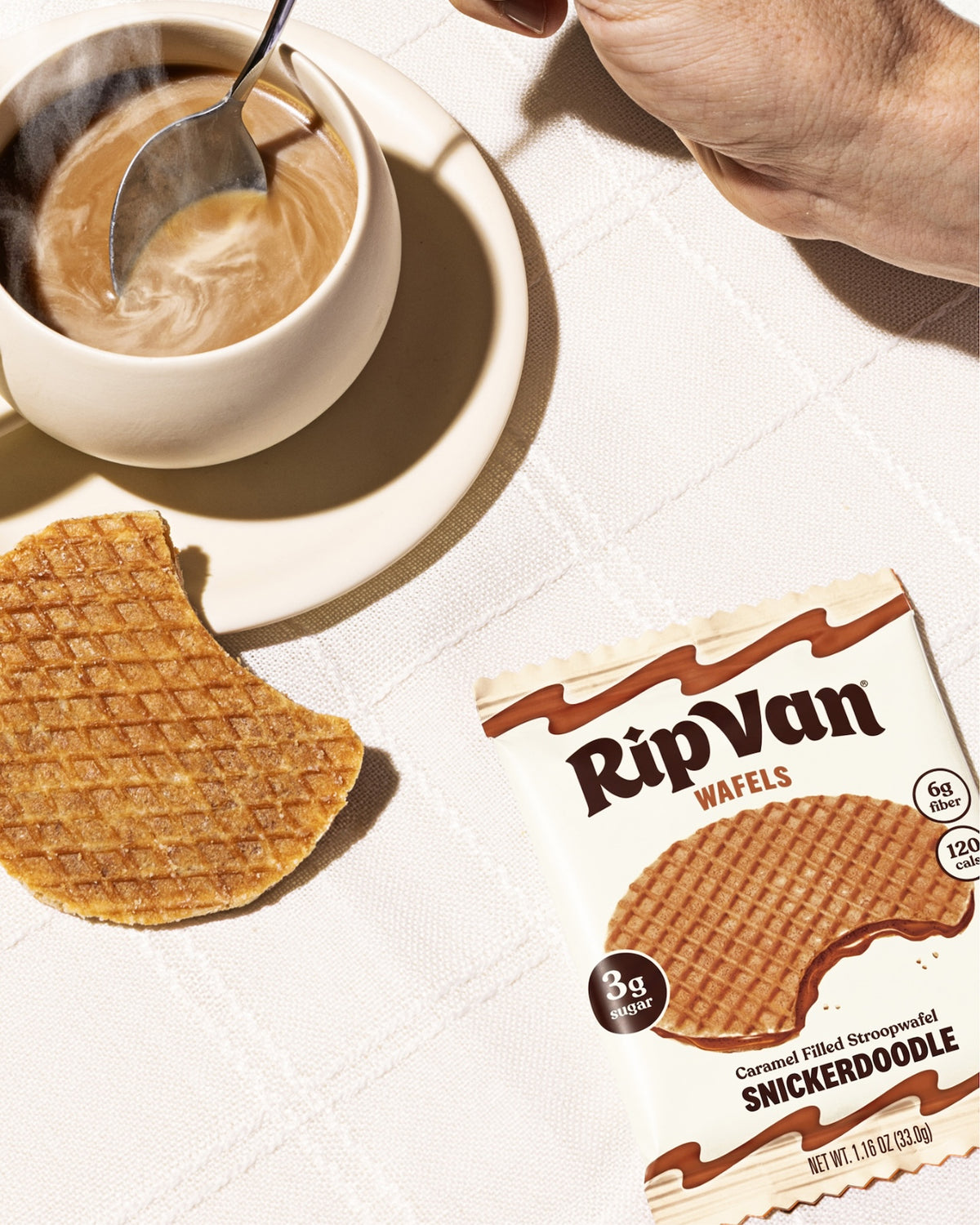
Think of a Dutch stroopwafel: a thin, crisp wafer with a chewy caramel center. The contrast between the crunchy shell and the soft filling makes each bite interesting. You eat slowly, savoring the layers. Compare that to a puffed corn snack that dissolves almost instantly. With the wafer, you get more sensory input per bite, so a smaller amount can feel like a treat. This is why texture can help with portion control. When a snack demands a bit of effort to eat, you naturally pause between bites, and those pauses add up to a more satisfying experience.
Texture also affects how full you feel afterward. Chewy and dense foods tend to have more fiber or protein, both of which slow digestion and keep hunger at bay longer. A soft, airy snack, by contrast, may leave you searching for something else soon after. So the next time you pick up a snack, notice its texture. Is it airy and light, or dense and chewy? That difference could be the key to whether one piece is enough.
Portion Size and the Psychology of Eating
Portion size is not just about calories. It is about expectation. When you see a large bag of chips, you may feel compelled to eat until the bag is empty, even if you are no longer hungry. This is called the “unit bias”, we tend to finish what we start. Conversely, a small, individually wrapped portion signals that one piece is the intended serving. That signal can make it easier to stop after one.
For snacks, especially sweet ones, a controlled portion can feel more satisfying than a larger, unlimited one. Why? Because the brain values a clear endpoint. When you know a snack is exactly one cookie or one wafer, you can focus on enjoying that single piece rather than worrying about how many more you might eat. This is where portion controlled cookies come into play. They take the guesswork out of snacking. Each piece is sized to feel like a treat, not a deprivation.
Still, portion size alone is not enough. If a snack is too small, you might feel cheated. That is where texture comes back into the picture. A dense, chewy snack in a modest portion can feel more substantial than a large, airy one. So the combination of a satisfying texture and a clear serving size can make a small snack feel like a proper indulgence.
How Fiber Content Changes the Equation
Fiber plays a double role in snack satisfaction. First, it adds bulk and chewiness, which slows down eating. Second, it helps regulate blood sugar, preventing the energy crash that often follows a sugary snack. A snack with added fiber, like some filled wafer snacks, can make a small portion feel more filling because the fiber takes up space in your stomach and digests slowly.
For anyone trying to manage dessert cravings, a snack with a bit of fiber can be a useful tool. It provides the sweetness and indulgence you want, but it also helps you feel full enough to stop at one. This is one reason why low-sugar options with added fiber have become popular. They deliver on taste and texture while supporting a balanced approach to eating.
Small Snacks for Dessert Cravings: A Practical Strategy
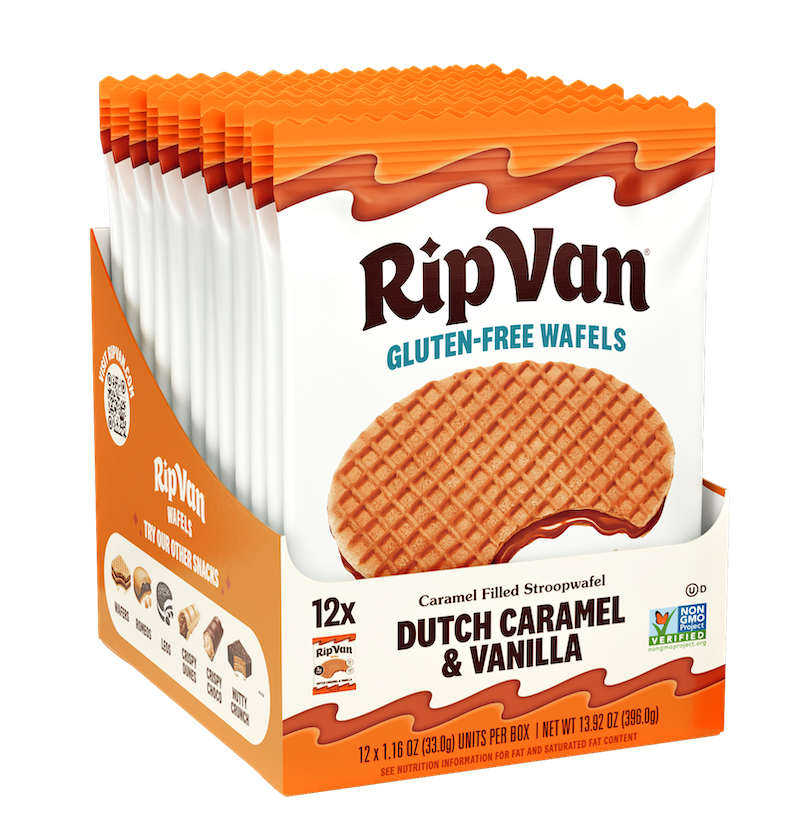
If you often find yourself wanting something sweet after dinner, consider using small snacks for dessert cravings. The key is to choose snacks that combine a satisfying texture with a controlled portion. A single stroopwafel or a small filled cookie can hit the spot without turning into a multi-serving event. The texture, the crisp wafer, the chewy filling, makes you eat slowly, and the portion size tells you when to stop.
This approach works because it respects your craving rather than fighting it. Instead of telling yourself “no sweets,” you give yourself permission to enjoy a small, well-made treat. Over time, this can help with habit formation. When you consistently pair a small portion with a satisfying texture, your brain learns that one piece is enough. The craving fades after that single serving, and you do not feel the need to go back for more.
What This Means for Your Snack Choices
When you are shopping for snacks, look for options that offer a clear portion size and a texture that takes time to eat. Avoid snacks that are mostly air or that dissolve quickly, because they tend to leave you wanting more. Instead, go for something with a bit of heft, a chewy center, a crunchy outer layer, or a dense cookie. These qualities make each bite count.
Portion controlled cookies are a good example of this principle in action. Each cookie is designed to be a single serving, and the texture is usually dense or chewy enough to feel like a real treat. But the same idea applies to other snacks too. A small handful of nuts, a piece of dark chocolate, or a single filled wafer can all work, as long as the texture and portion are aligned.

Putting It All Together
To sum up the practical takeaway: if you want to feel satisfied with a snack, pay attention to both what it feels like in your mouth and how much you are eating. A chewy, fiber-rich snack in a controlled portion can be more satisfying than a large bag of something light and airy. And when you are looking for small snacks for dessert cravings, remember that a single, well-textured piece can deliver the pleasure you are after without the need for seconds.
By choosing snacks that work with your body’s natural signals, you can enjoy sweets in a way that feels intentional and satisfying. Texture and portion size are not just details, they are the foundation of a snack that truly satisfies.